
Due to the town's power outage, Knoxville Schools is utilizing an Emergency Day today. There will be No School. We will send out additional information regarding after school activities as it becomes available.
Knoxville Families,
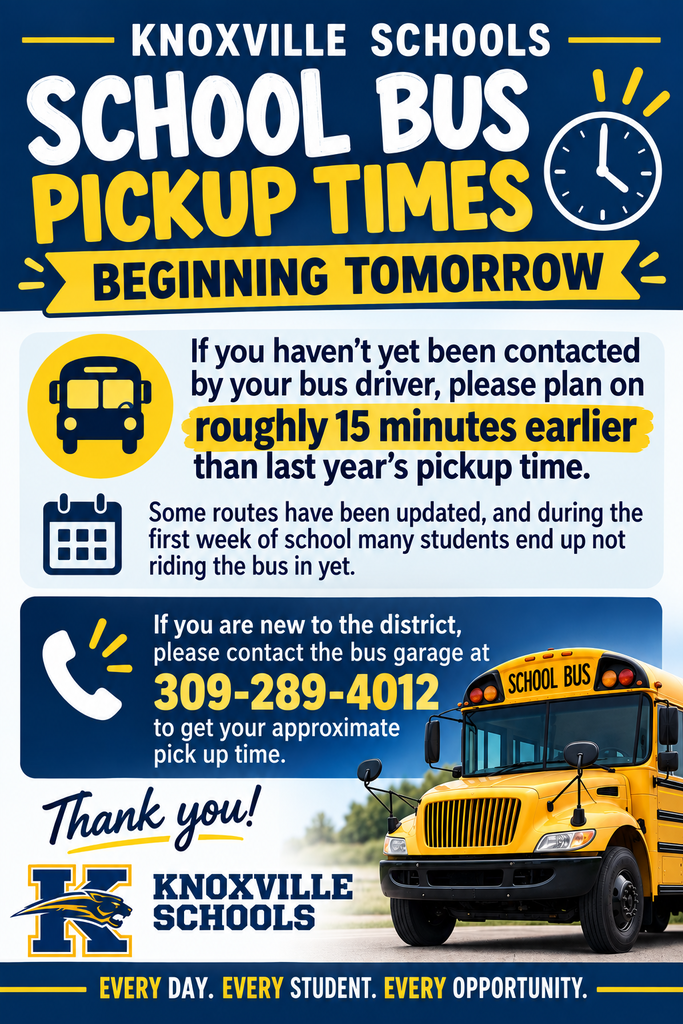
As we prepare for the first day of school tomorrow, we wanted to share a quick reminder regarding school bus pickup times.
If you have not yet been contacted by your bus driver, please plan for your student to be ready approximately 15 minutes earlier than last year’s pickup time.
Some of our bus routes have been updated for this school year. In addition, during the first week of school, routes can run a little differently as we determine which students are regularly riding the bus each morning.
If you are new to the district and need an approximate pickup time, please contact the Knoxville Bus Garage at 309-289-4012.
We appreciate your patience and flexibility as we get our routes settled during the first few days of school. We’re excited to welcome everyone back tomorrow!
Thank you!
Knoxville CUSD #202
Every Day. Every Student. Every Opportunity.
As we prepare for the first day of school tomorrow, we wanted to share a quick reminder regarding school bus pickup times.
If you have not yet been contacted by your bus driver, please plan for your student to be ready approximately 15 minutes earlier than last year’s pickup time.
Some of our bus routes have been updated for this school year. In addition, during the first week of school, routes can run a little differently as we determine which students are regularly riding the bus each morning.
If you are new to the district and need an approximate pickup time, please contact the Knoxville Bus Garage at 309-289-4012.
We appreciate your patience and flexibility as we get our routes settled during the first few days of school. We’re excited to welcome everyone back tomorrow!
Thank you!
Knoxville CUSD #202
Every Day. Every Student. Every Opportunity.

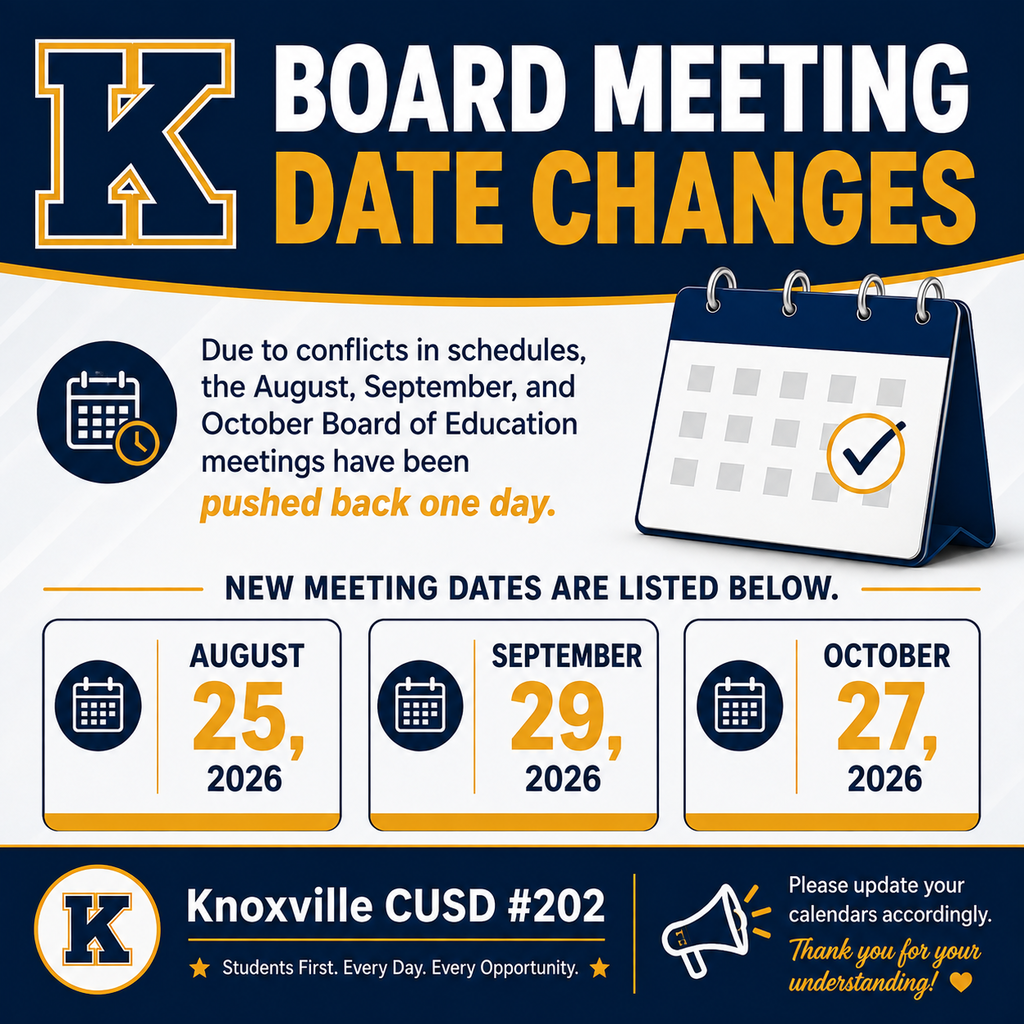
Due to scheduling conflicts, the August, September, and October Board of Education meetings have been pushed back one day. Please see the attached document for the updated meeting dates.
Please updated your calendars accordingly. We appreciate your understanding and flexibility regarding these schedule changes.
Knoxville CUSD #202
Please updated your calendars accordingly. We appreciate your understanding and flexibility regarding these schedule changes.
Knoxville CUSD #202

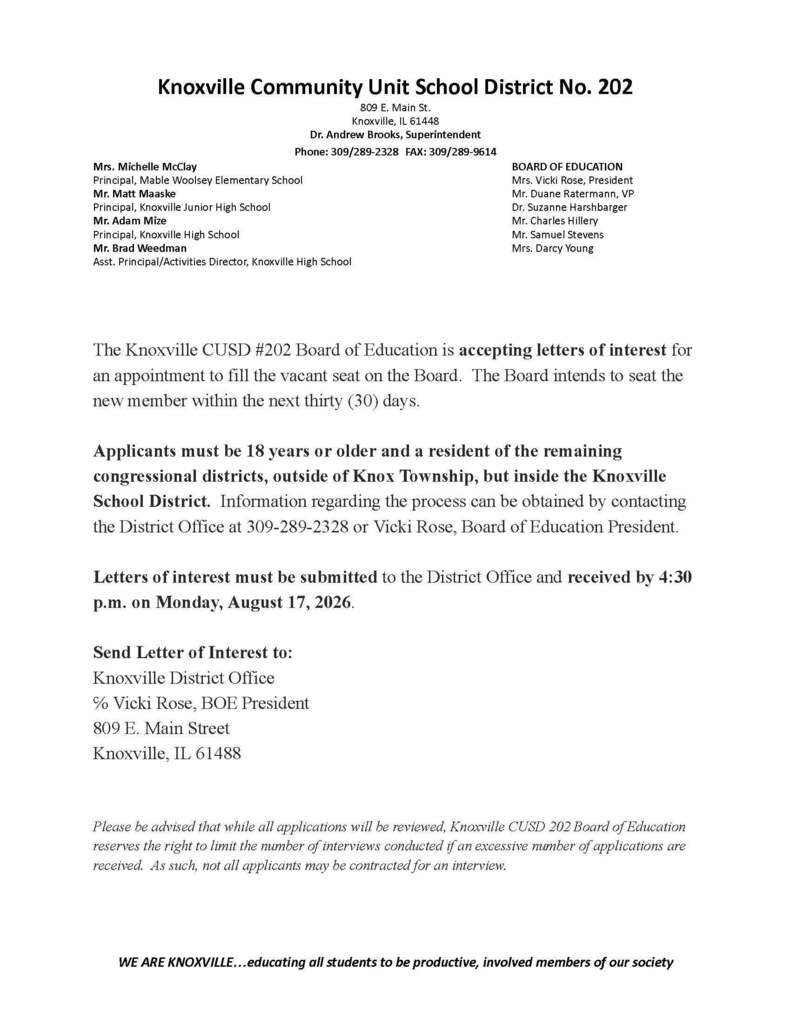
The Knoxville CUSD #202 Board of Education is seeking individuals interested in serving our school district and community by filling a vacant seat on the Board of Education. Please see the document below for more information. If you have any questions regarding the process, please email Board President, Vicki Rose, at vickirose@bluebullets.org .
This is a friendly reminder that in-person registration is TODAY, Thursday, July 30, 2026, from 11:00 a.m. to 7:00 p.m. in the Knoxville High School Commons.
Please attend if:
You are registering a new student to the district.
You need assistance with the registration process.
You need to submit required paperwork or documentation.
You would like to pay student fees in person.
Returning students should complete online registration as soon as possible if they have not already done so.
We look forward to seeing you today and are excited to welcome everyone back for another great school year!
Please attend if:
You are registering a new student to the district.
You need assistance with the registration process.
You need to submit required paperwork or documentation.
You would like to pay student fees in person.
Returning students should complete online registration as soon as possible if they have not already done so.
We look forward to seeing you today and are excited to welcome everyone back for another great school year!

Important message to parents/guardians of Knoxville student athletes.

Hello,
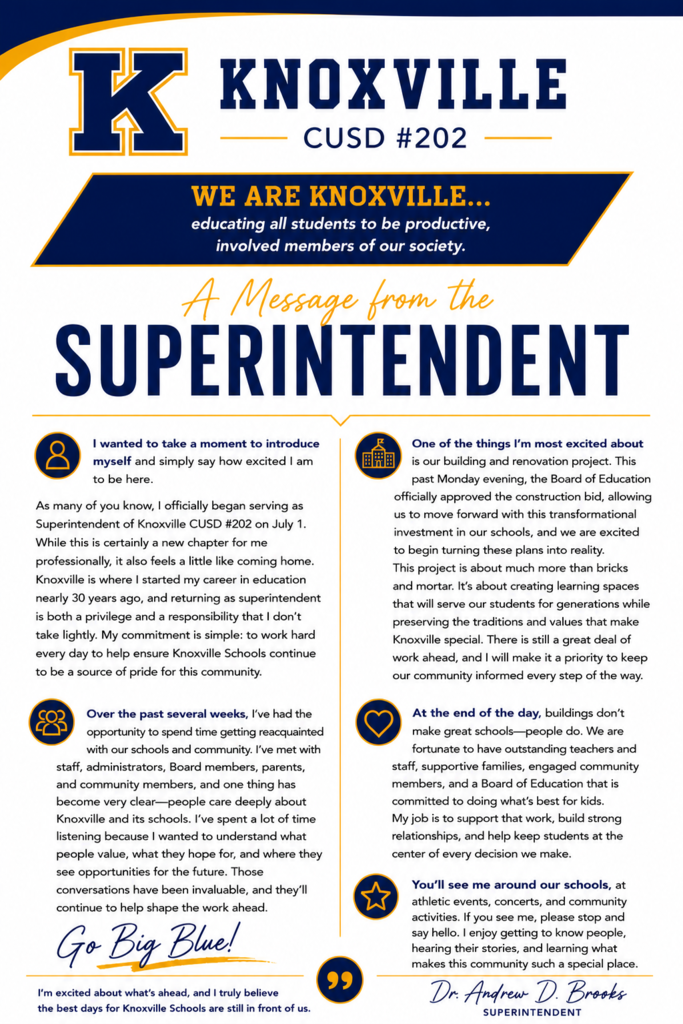
We are excited to welcome all of our students back two weeks from today. Please take a moment and read the message from the new Superintendent, Dr. Brooks.
Have a Great Day!
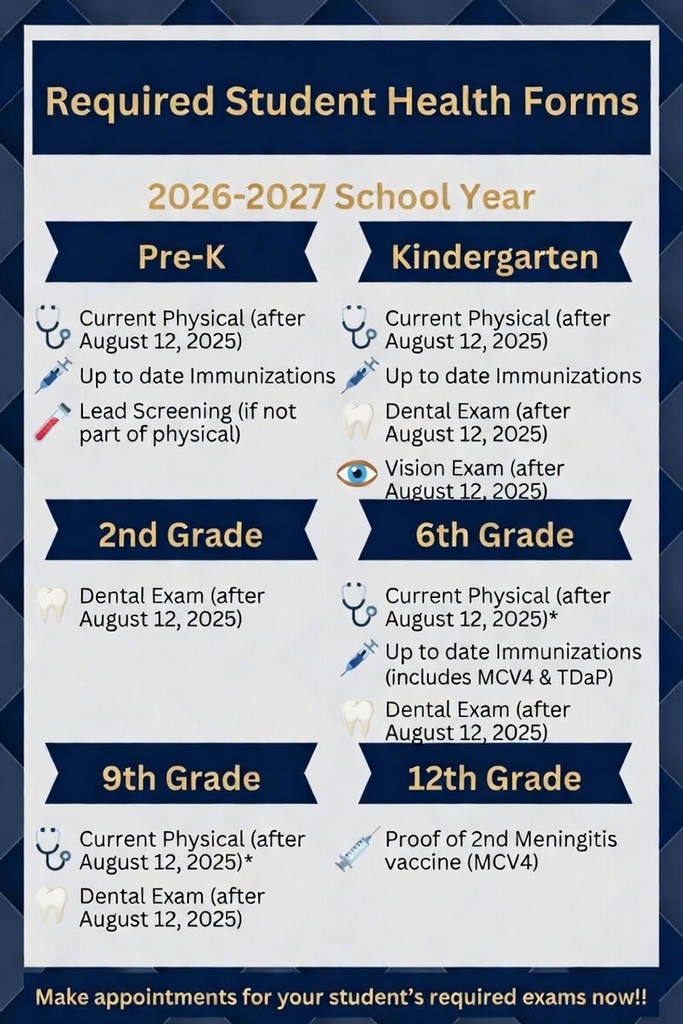
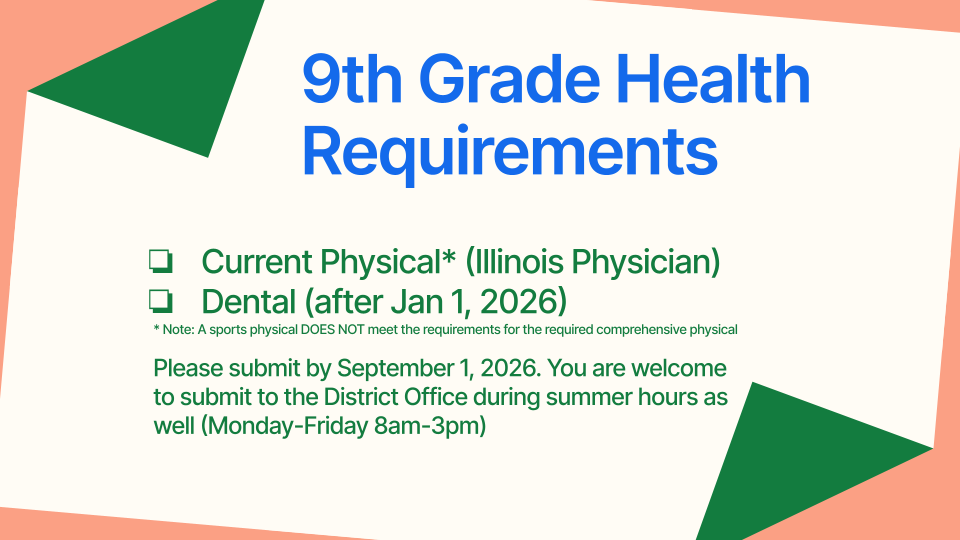
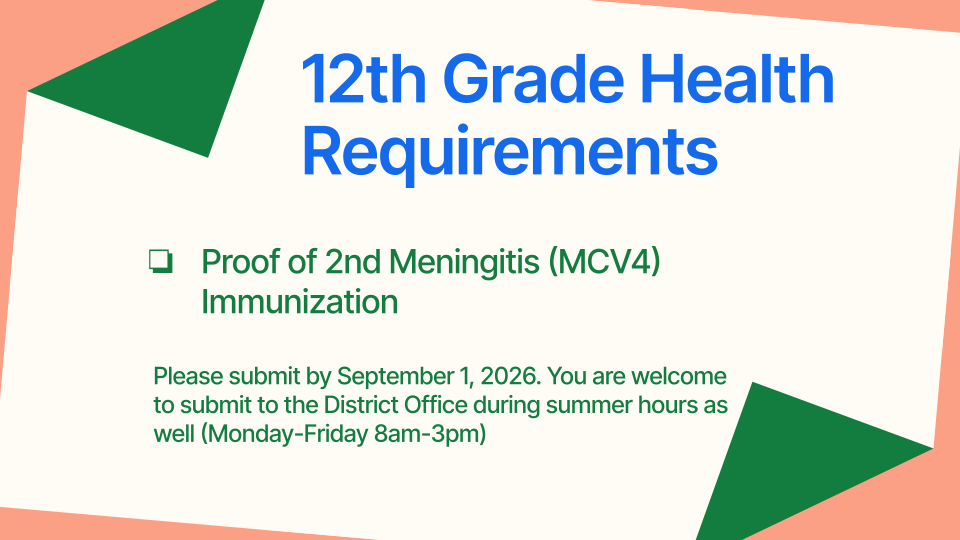
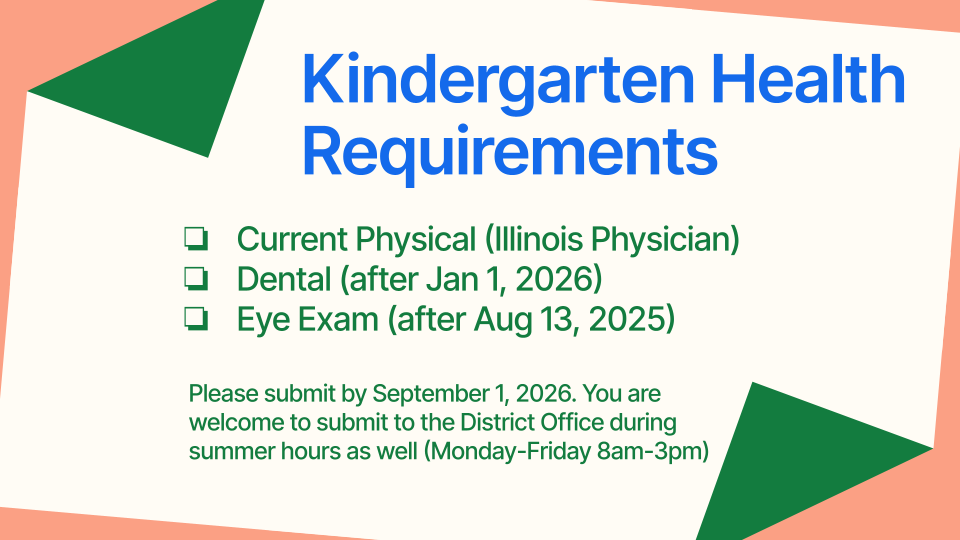
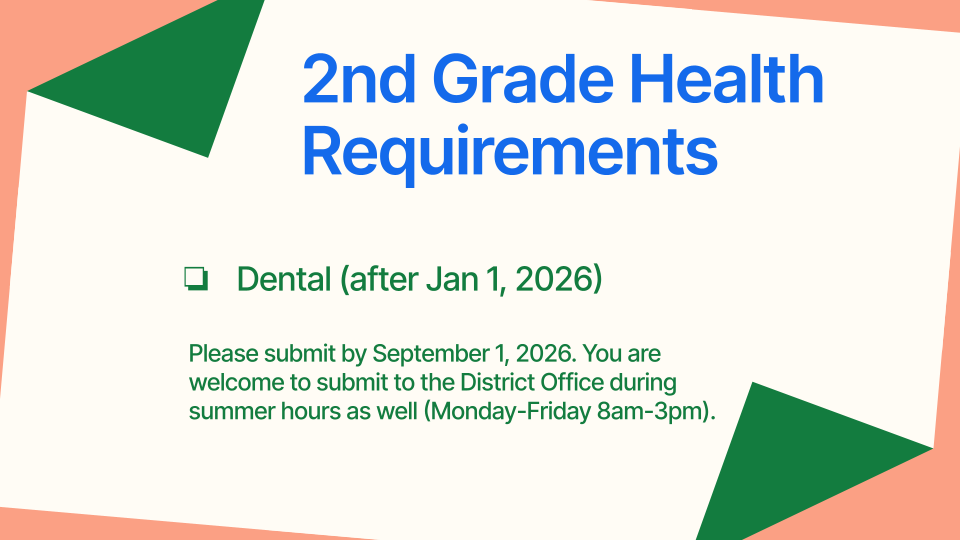
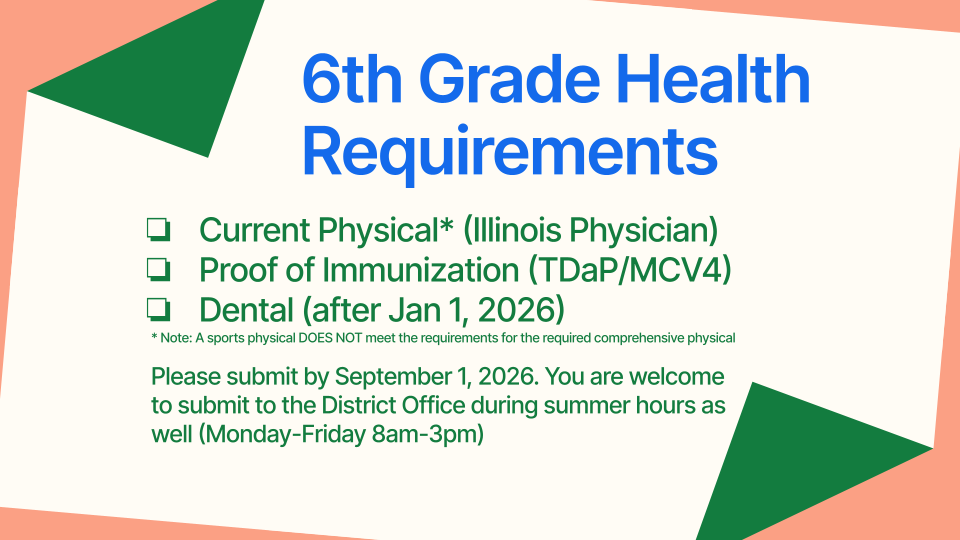
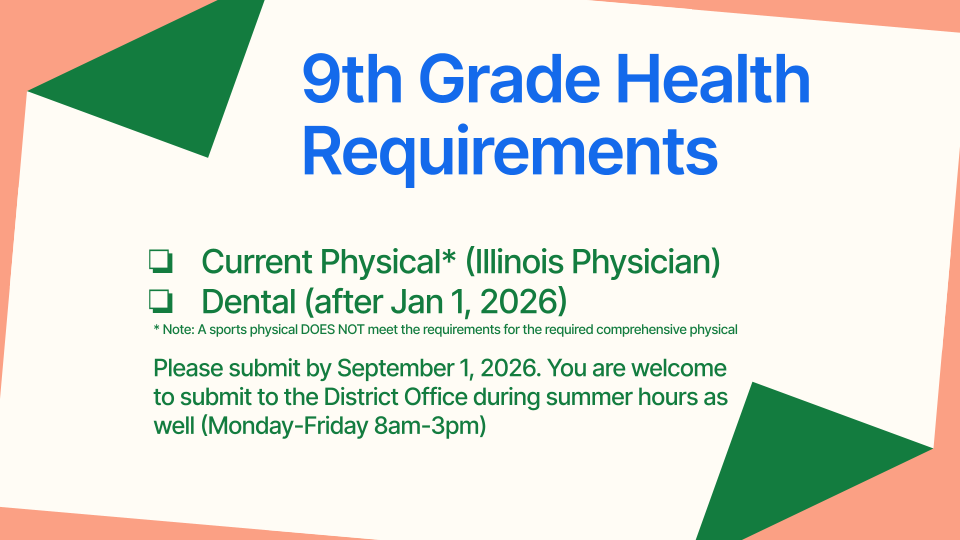
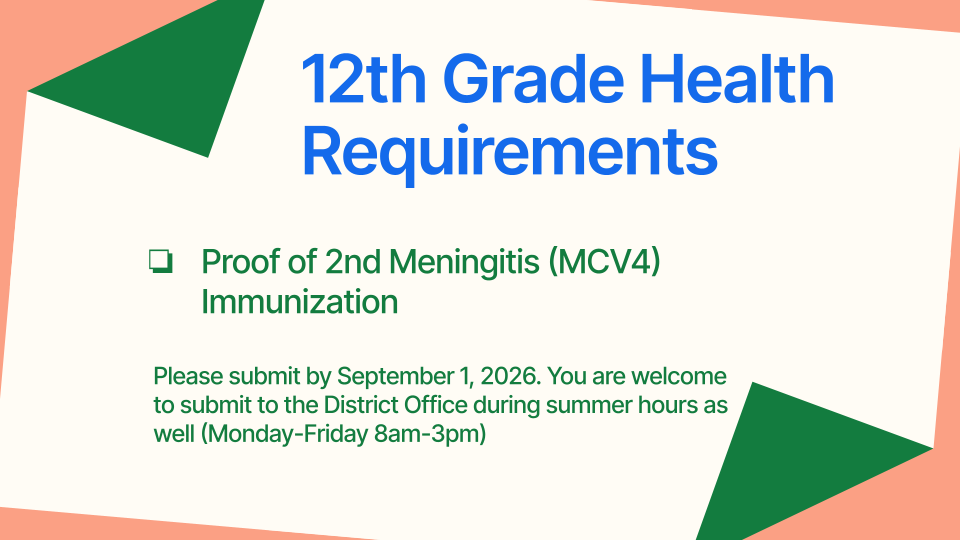
As a reminder, students in Kindergarten, 2nd, 6th, 9th and 12th grades will need to have the following health items for the 2026-2027 school year. Enjoy the rest of your summer!! We look forward to seeing students in the fall!!!
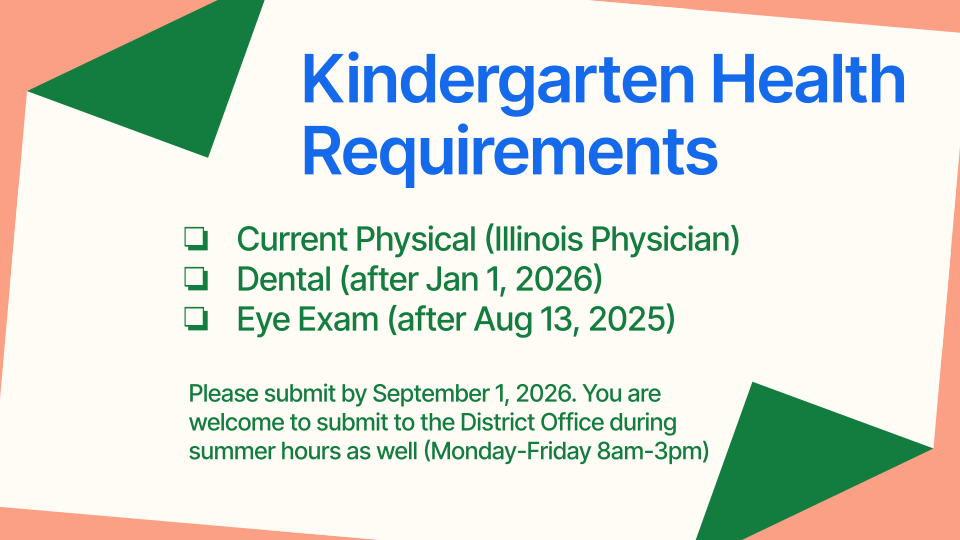
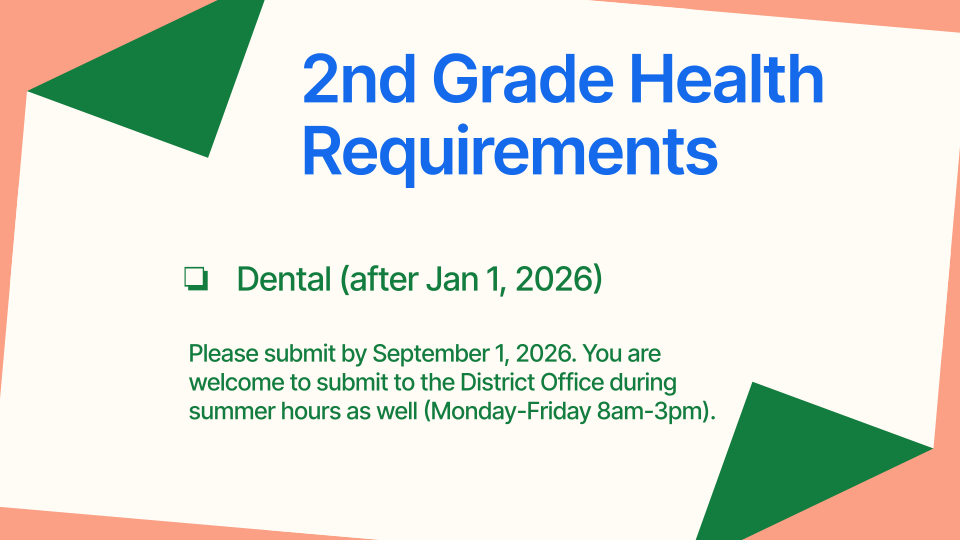
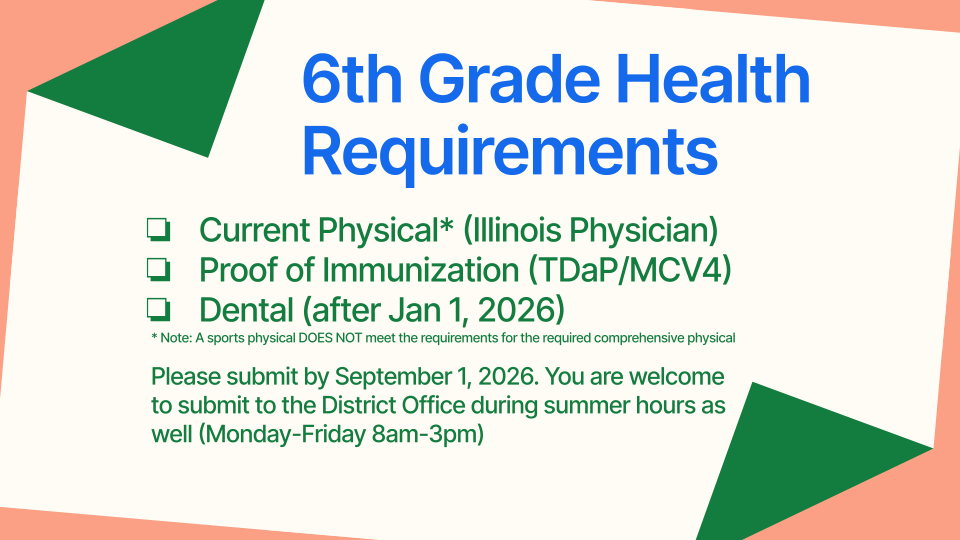
Current vacancies at Knoxville CUSD #202!

Attention Parents and Guardians of Knoxville 202 students:
Registration is NOW OPEN for the 2026-2027 school year!
Registration is NOW OPEN for the 2026-2027 school year!

Below are the current coach vacancies for Knoxville CUSD #202! Please reach out to the District Office if you have any questions.

We hope everyone is having a great summer thus far!! Just a quick reminder, if your student is entering Kindergarten, 2nd, 6th, 9th or 12th grade, they will have a few health items due at the beginning of the year. If you haven't done so, make those appointments now!
If you are free tomorrow and would like to see the Knoxville Softball and Knoxville Baseball teams in action, please see the flyer below! Good Luck Blue Bullets!


Bus 7 students have a sub driver tonight. Your students may arrive home a few minutes later than usual.
Students on Bus 6 will ride a combined route with Bus 9 tonight. Some Bus 6 students and Bus 9 students will have a delay in drop off times. Please call the school office by 2:00 with any transportation changes.
Students on Bus 6 will ride a combined route with Bus 9 tonight. Some Bus 6 students and Bus 9 students will have a delay in drop off times. Please call the school office by 2:00 with any transportation changes.
Just a Friendly Reminder
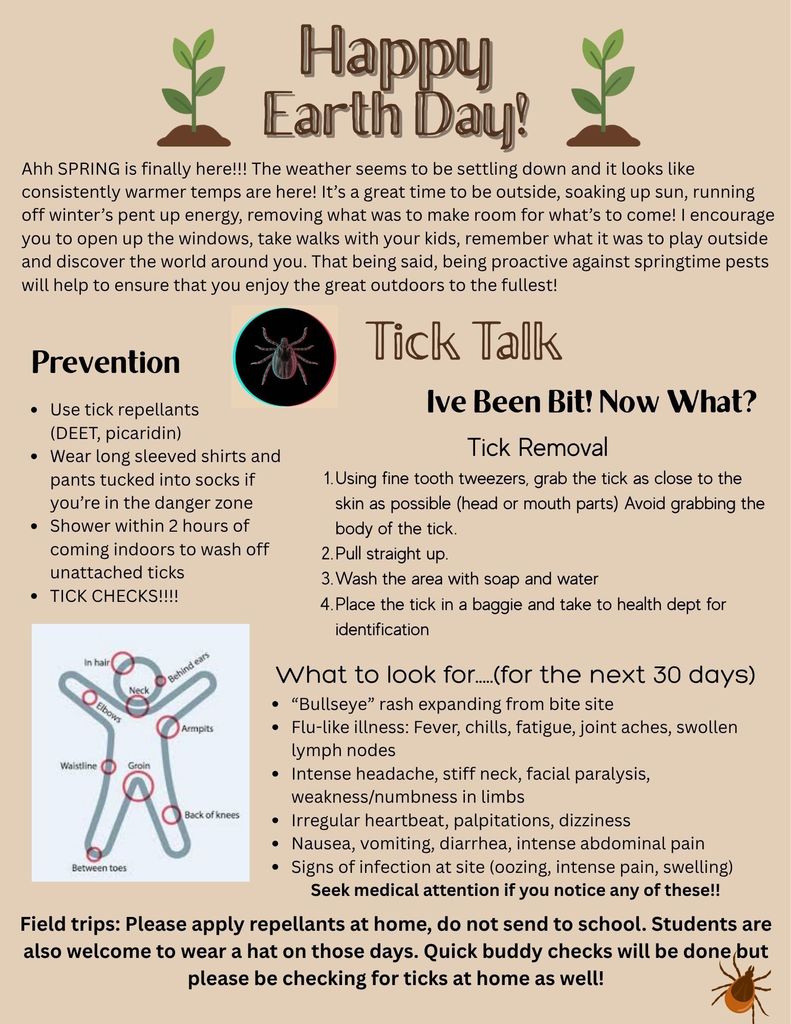
With warmer temps and field trip season upon us, it's time for Tick Talk! Be prepared, stay safe, and enjoy these warmer days!!!!

The 21st CCLC after school program offered by the Regional Office of Education has been CANCELLED for Thursday, April 23rd. Any KJHS students planning to attend will need to make other arrangements. Thank you!
Message from the Superintendent - Part 4
Illinois has historically lacked consistent funding systems to make school building maintenance and replacement as manageable as it should be. While neighboring states like Missouri, Iowa, and Indiana have long had more proactive approaches in place, Illinois has only recently begun to offer alternative funding opportunities.
The Knoxville High School, which opened in 2012, is an example of how multiple funding sources can come together to make a project possible. A state construction grant originally applied for in 1998 rose to the top of the list in 2010 and provided critical funding for the project. That grant contributed approximately $19 million, or about 58% of the total construction cost. Although detailed records are limited, the current junior high building was likely constructed through a similar program in the 1970s. That construction grant program is no longer funded, but it played a significant role in helping districts modernize their school buildings.
Around the same time the new high school was constructed, voters across Knox County approved a 1% sales tax on retail purchases. This tax is collected locally and distributed to school districts based on student enrollment. The Knoxville School District currently receives approximately $80,000 per month from this source. These funds are restricted to facility-related expenses and cannot be used for staffing or curriculum. Since implementation, the district has annually applied approximately $700,000 of these funds toward bond payments, significantly reducing the burden on property taxpayers.
Like most Illinois communities, Knoxville relies heavily on property taxes to fund its schools. At the same time, current taxpayers have carried relatively little of the original construction costs for the district’s existing buildings due to the prior grants and 1% sales tax funds.
So, what does this new construction project mean for Knoxville property taxpayers?
The district has taken several steps to minimize the impact on taxpayers:
Utilizing facility sales tax revenue: The Board remains committed to using these funds to offset what must be levied through property taxes. Currently, about $700,000 of the projected $1.375 million annual payment is covered this way, though that amount may fluctuate year to year.
Securing grant funding: The district has obtained two federal grants totaling $1 million to help reduce the overall cost of the project.
Locking in favorable financing: The district was able to secure a strong interest rate, lowering the total cost of borrowing over time.
For property taxpayers, the combined impact of new borrowing and refinancing existing debt is estimated to result in approximately a $0.50 increase to the tax rate.
It is also important to note that without this project, the district would need to invest approximately $15 million to bring the existing Mable Woolsey School building up to code. In either scenario, the district would incur significant costs and take on additional debt. This project not only modernizes district facilities, but it is also expected to generate long-term savings through improved energy efficiency and reduced maintenance costs.
Illinois has historically lacked consistent funding systems to make school building maintenance and replacement as manageable as it should be. While neighboring states like Missouri, Iowa, and Indiana have long had more proactive approaches in place, Illinois has only recently begun to offer alternative funding opportunities.
The Knoxville High School, which opened in 2012, is an example of how multiple funding sources can come together to make a project possible. A state construction grant originally applied for in 1998 rose to the top of the list in 2010 and provided critical funding for the project. That grant contributed approximately $19 million, or about 58% of the total construction cost. Although detailed records are limited, the current junior high building was likely constructed through a similar program in the 1970s. That construction grant program is no longer funded, but it played a significant role in helping districts modernize their school buildings.
Around the same time the new high school was constructed, voters across Knox County approved a 1% sales tax on retail purchases. This tax is collected locally and distributed to school districts based on student enrollment. The Knoxville School District currently receives approximately $80,000 per month from this source. These funds are restricted to facility-related expenses and cannot be used for staffing or curriculum. Since implementation, the district has annually applied approximately $700,000 of these funds toward bond payments, significantly reducing the burden on property taxpayers.
Like most Illinois communities, Knoxville relies heavily on property taxes to fund its schools. At the same time, current taxpayers have carried relatively little of the original construction costs for the district’s existing buildings due to the prior grants and 1% sales tax funds.
So, what does this new construction project mean for Knoxville property taxpayers?
The district has taken several steps to minimize the impact on taxpayers:
Utilizing facility sales tax revenue: The Board remains committed to using these funds to offset what must be levied through property taxes. Currently, about $700,000 of the projected $1.375 million annual payment is covered this way, though that amount may fluctuate year to year.
Securing grant funding: The district has obtained two federal grants totaling $1 million to help reduce the overall cost of the project.
Locking in favorable financing: The district was able to secure a strong interest rate, lowering the total cost of borrowing over time.
For property taxpayers, the combined impact of new borrowing and refinancing existing debt is estimated to result in approximately a $0.50 increase to the tax rate.
It is also important to note that without this project, the district would need to invest approximately $15 million to bring the existing Mable Woolsey School building up to code. In either scenario, the district would incur significant costs and take on additional debt. This project not only modernizes district facilities, but it is also expected to generate long-term savings through improved energy efficiency and reduced maintenance costs.

Message from the Superintendent - Part 3
Once it was decided that the building replacement would take place on the Junior High campus, it was time to start focusing more on the details. Imperative to the process was the fact that the renovation of the JH building couldn’t be done during the school year while students were attending. A phasing plan was developed with the goal that students wouldn’t be displaced at any time. The most logical solution then will be to construct an all new 5-8 facility connected at the Northwest corner of the current Junior High. Once that construction is completed, the JH students will be relocated and the existing building will be closed for a year for renovation. Once that year of work is completed, the elementary students will be moved in to start the 2029-2030 school year.
There will be a clear distinction between what parts of the building will be dedicated to elementary students and what part will be used by Junior High students. However, it makes sense to share spaces that aren’t grade level dependent. For example, the existing kitchen will be expanded with serving lines facing two directions allowing for lunches to be served for all grade levels, while not replicating a 2nd kitchen and thus saving some initial building costs.
The new Junior High portion of the building will include a new performance gymnasium, dedicated science lab(s), and space for electives and special education programs. As much as possible, energy efficiency will be considered. The elementary renovations will include playground space for K-2 in one location and 3-5 in another since equipment for those ages differs. Grade levels will be grouped and classrooms will be designed specifically for those students. Currently, the committee is working on a traffic pattern to allow student drop off and a dedicated bus lane for the safest and most efficient possible transportation plan.
There are other areas that will be impacted by the project. The east end classrooms of Mable Woolsey and the gym will be maintained and utilized by the district, although its precise usage has yet to be determined. This will require a renovated entrance to that space. The high school baseball diamond will be relocated to allow for green space for K-8 PE classes. The 2027 season will likely be played at the current site while the new field is constructed.
The architects on contract are experienced at building schools. They possess a number of studies, formulas, and processes to determine the amount of space necessary, the best use of that space, and the efficiencies of how that space is constructed. That said, the architects also want to build a structure that makes sense for the community that it will be built in. Many interviews with board members, administrators, teachers, and support staff have taken place to get the needs and wishes of our own in the process. As much as the architects can absorb our desires and wants for a building, our budget and available funds will ultimately dictate the extent to which our “wishes” are granted.
As we sit here today, children born after September 1, 2023 will only know our new building as their school. As far away as that may seem, our timeline is extremely tight to get all of this done for them. For the next 3 years, the district administration, board, and staff will be managing many things beyond their day to day classroom. Patience will be important. As important will be giving value to the deliberations, decisions, and work done by all of those involved - so that future Knoxville students have every opportunity to grow and flourish during their school careers.
Once it was decided that the building replacement would take place on the Junior High campus, it was time to start focusing more on the details. Imperative to the process was the fact that the renovation of the JH building couldn’t be done during the school year while students were attending. A phasing plan was developed with the goal that students wouldn’t be displaced at any time. The most logical solution then will be to construct an all new 5-8 facility connected at the Northwest corner of the current Junior High. Once that construction is completed, the JH students will be relocated and the existing building will be closed for a year for renovation. Once that year of work is completed, the elementary students will be moved in to start the 2029-2030 school year.
There will be a clear distinction between what parts of the building will be dedicated to elementary students and what part will be used by Junior High students. However, it makes sense to share spaces that aren’t grade level dependent. For example, the existing kitchen will be expanded with serving lines facing two directions allowing for lunches to be served for all grade levels, while not replicating a 2nd kitchen and thus saving some initial building costs.
The new Junior High portion of the building will include a new performance gymnasium, dedicated science lab(s), and space for electives and special education programs. As much as possible, energy efficiency will be considered. The elementary renovations will include playground space for K-2 in one location and 3-5 in another since equipment for those ages differs. Grade levels will be grouped and classrooms will be designed specifically for those students. Currently, the committee is working on a traffic pattern to allow student drop off and a dedicated bus lane for the safest and most efficient possible transportation plan.
There are other areas that will be impacted by the project. The east end classrooms of Mable Woolsey and the gym will be maintained and utilized by the district, although its precise usage has yet to be determined. This will require a renovated entrance to that space. The high school baseball diamond will be relocated to allow for green space for K-8 PE classes. The 2027 season will likely be played at the current site while the new field is constructed.
The architects on contract are experienced at building schools. They possess a number of studies, formulas, and processes to determine the amount of space necessary, the best use of that space, and the efficiencies of how that space is constructed. That said, the architects also want to build a structure that makes sense for the community that it will be built in. Many interviews with board members, administrators, teachers, and support staff have taken place to get the needs and wishes of our own in the process. As much as the architects can absorb our desires and wants for a building, our budget and available funds will ultimately dictate the extent to which our “wishes” are granted.
As we sit here today, children born after September 1, 2023 will only know our new building as their school. As far away as that may seem, our timeline is extremely tight to get all of this done for them. For the next 3 years, the district administration, board, and staff will be managing many things beyond their day to day classroom. Patience will be important. As important will be giving value to the deliberations, decisions, and work done by all of those involved - so that future Knoxville students have every opportunity to grow and flourish during their school careers.

It's time to schedule health appointments for the 26/27 school year! Beat the summer rush and get them done now! Click the link for grade specific requirements and a printable reminder.
https://www.bluebullets.org/page/health-state-health-requirements